Pacific Ballet
A Valentine

I stayed at the American Conservatory Theater for three years, working exclusively in the Playroom for the Plays in Progress series. We pushed what could be done in that small space about as far it could go, or at least as far as my imagination could take it. The space was small, a mere 60’ x 60’ with no stage. The audience was always right on top of the set. They inhabited the play rather than viewed it. In my time making sets in the Playroom, the audience became witnesses at a healing revival and suffered the loss of animals in a dystopian landscape. They were lost in space, or trapped with a desperate woman in a suburban kitchen and living room.


It was a good run, but I yearned more space.
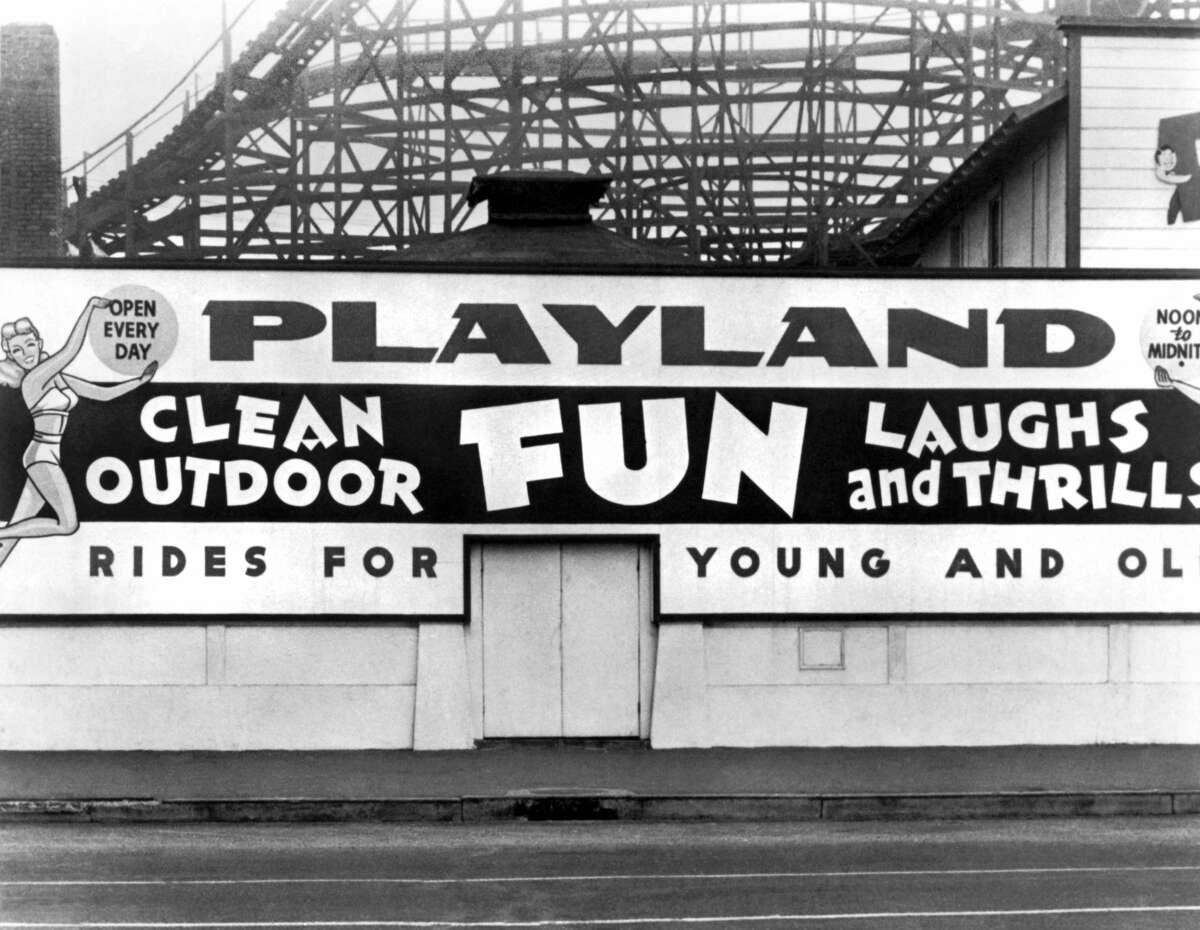
Mary and I moved from 36th avenue to a flat at the end of Balboa Street. It had an endless view of the ocean, but overlooked fenced off, empty excavations that had once been Playland at the Beach, a tacky but much loved amusement park. Our rent was $225 a month. It was a rare find and we should have been happy there. But a marriage can’t survive if it’s all about one person and Mary and I were growing apart. In the end, she was the one who had the courage to see that it wasn’t going to work. She moved, with Rebecca, to a new apartment on 15th avenue and I was left alone to contemplate my domestic failures.
We could no longer build the Playroom sets on site. We needed a scene shop. My friend Steven Bickford told me about a guy he knew who had a large, almost empty warehouse South of Market. So it was that I met John Tedesco.
John was one of the guys that invented portable lighting rigs for the early days of rock and roll. He had plenty of space but needed a working shop to build road boxes for his lighting equipment. Cases with wheels that could be rolled on and off trucks. An agreement was struck. I moved our saws and tools from a cramped and overflowing closet in the Playroom to 145 Bluxome St. The trade off was for my crew to build the road boxes for John’s fledgling company, Phoebus. I began to spend more and more of my time in the shop there. Little did I know then, but John and Phoebus Lighting were to provide me with steady employment for the next 40 years. Ironically, as I began to draw away from ACT, Mary found a home there. She became a mainstay of the Production Office and was Ben Moore’s assistant for many years.
San Francisco at that time was a hotbed of artistic activity. ACT might have been the biggest, but I soon discovered several other theater groups. Performance spaces like the Intersection filled seats with audiences eager for new productions. The Pickle Family Circus doubled viewers over with laughter at the Marines Memorial Theater. Dance companies abounded; Carlos Carajal’s Dance Spectrum, Margaret Jenkins dance company and John Pasqualetti’s Pacific Ballet. They all had loyal and enthusiastic fans.
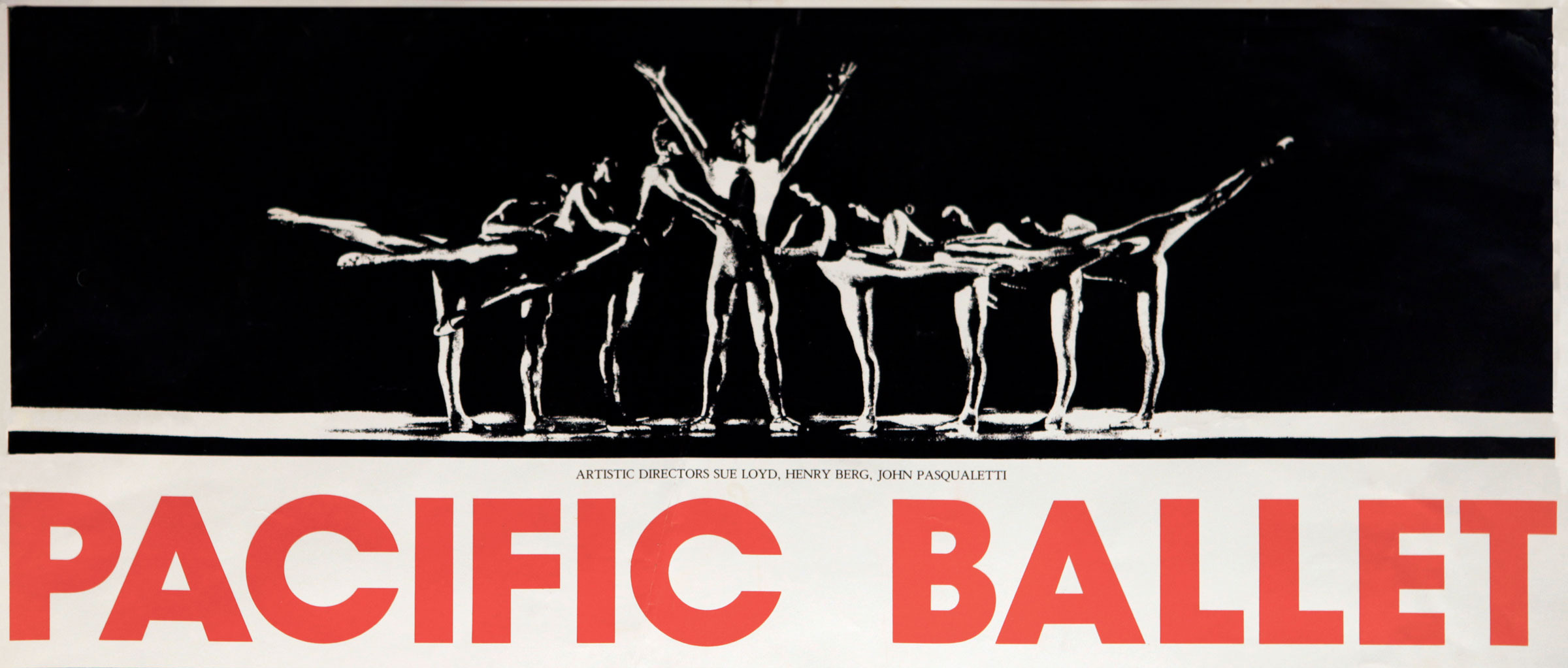
I don’t recall quite how it happened, but I answered a call to create a set and lighting for John Pasqualetti’s production of “Alice in Wonderland.” I’d heard a bit about Pacific Ballet and John Pasqualetti. He was the guy who’d staged such a wild and innovative production of the Who’s rock opera “Tommy” a few years before. I hadn’t seen it, but the buzz was still in the air.
So OK, this might be fun. “Alice” was to be presented at the Palace of Fine Arts. The stage there was enormous. It would mark a refreshing departure from the tiny Playroom.
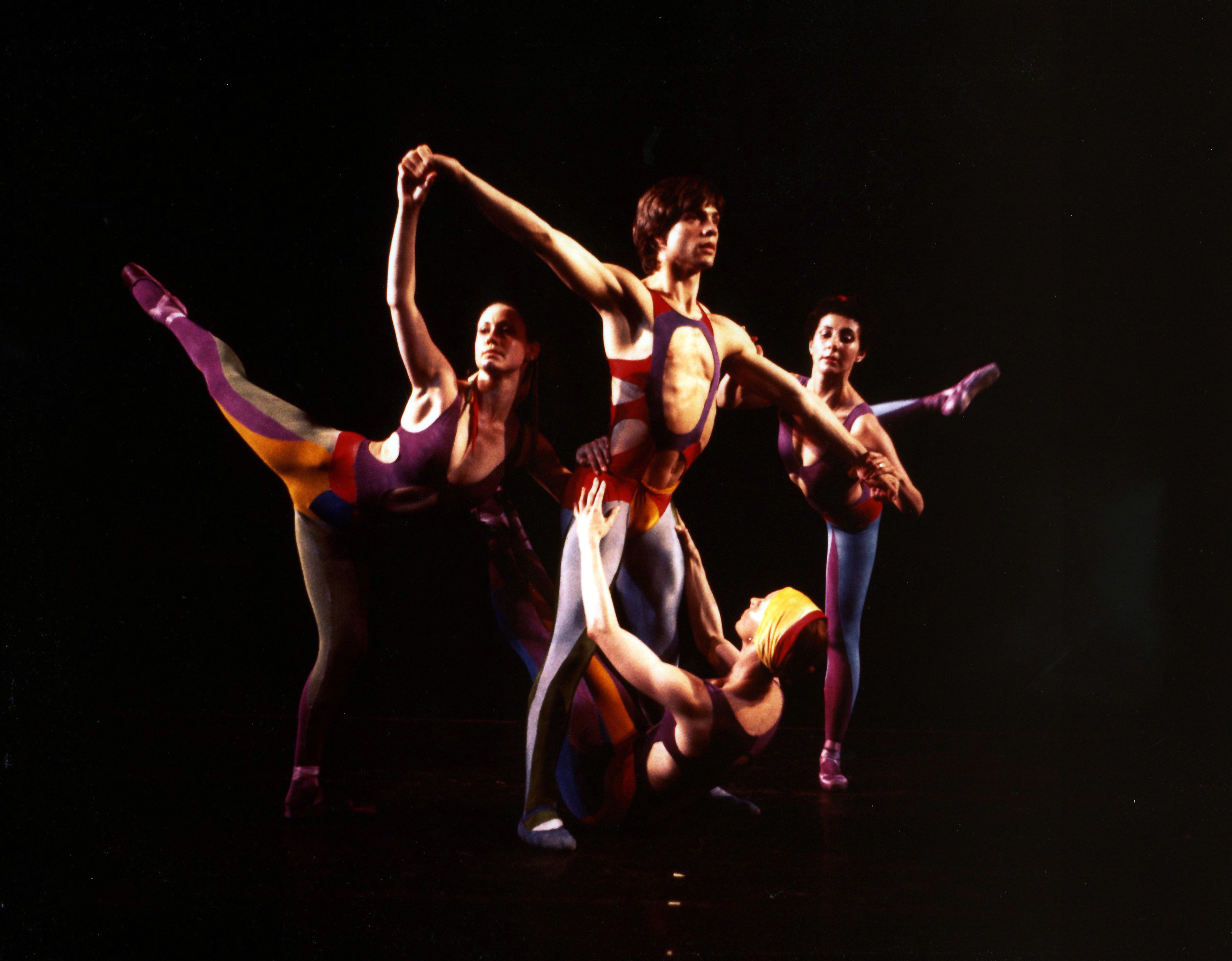
I knew nothing about dance. I couldn’t even do the Twist and the only ballet I’d seen was on television. It seemed pretty remote, formal and dull. But Pacific Ballet wasn’t a tutus and swans kind of outfit. The dancers were all classically trained, with beautiful bodies, but the movement was muscular and angular. It was anything but remote and dull. If actors could be said to live out interior lives on stage with speech and gesture, these dancers were the opposite. Their art was musical and exterior. They redefined space with movement. It was unexpected, thrilling theater that begged for dramatic lighting. That was something I did know something about..
The challenge of “Alice in Wonderland” was its mutability. Alice tumbles down a rabbit hole and her world begins to expand and contract. A bite of a cookie makes her big, than small. There’s a sea of tears. A white rabbit beckoning her onward. There’s a hookah smoking caterpillar. Humpty Dumpty. A mad tea party. The Queen of Hearts garden. How could all this be translated to the stage?
I’d been taught to look for metaphors to guide my set designs. So what was the underlying metaphor of Alice’s story? Well, elasticity. Lets go with that.
In Phoebus Company’s warehouse were stored the bits and pieces of John Tedesco’s rock show lighting. Carbon arc searchlights. PAR cans. Aluminum truss to hang the lighting on. Winches. Stuff just laying around waiting to be used. How about standing one of those 20’ truss sections up on end and attaching the ends of two long aluminum arms to it? We could crank them up and down and swing them around to different positions. Dazian fabrics in New York stocked an extra wide, 100% stretch nylon fabric that could be hooked on and pulled into different shapes. Marianne Seymore, Pacific Ballet’s company manager, costume fabricator and general den mother, took on the complicated sewing task. When we set it all up, it looked like a death trap.
Sure, we had black clad, bowler hat wearing stagehands to control it, to crank the winch and manipulate the arms, but every actor I’d ever worked with would have a heart attack on that stage. For them, a steep stair unit was a daunting challenge. But these dancers lived in the physical world. For them it was no problem. They danced the fabric on with grace, and removed it without a care, making the action part of their characters.


Choreography for Pacific Ballet’s concerts was created by the three Artistic Directors, John Pasqualetti, Sue Loyd and Henry Berg. How they could imagine such intricate movement and dramatic pairings was beyond me. But after doing “Alice,” I wanted to be a part of anything this company did. I left ACT to become their lighting designer.
One day I had a call from Marianne Seymore. PB was commissioning a piece by a new choreographer for an upcoming concert. Someone named Valerie Bed, or Valerie Bad? Something like that. Could I come in and take a look at it?
I climbed the stairs at 44 Page St. to the studio, a magnificent, light filled room with tall, arched windows gracing three sides. A group of dancers, backlit by the sun, stood on the far side against a window framed with hanging ferns. I shambled across the floor. “Valerie..?”
Valerie Baadh turned to greet me and…….. something happened. I felt like I’d been hit by lighting.
I’m ah….um……..ah…..(struggling to remember my name) Michael Garrett, the lighting designer, here to look at your new piece.
Geez what a dork. I’d blown this already. But Valerie smiled at me. She had such beautiful blue eyes. Eyes to die for. Movie star eyes. We sat down and watched Deborah Frates dance Valerie’s new work, a piece called “Places.” I hardly saw it. I was completely smitten.
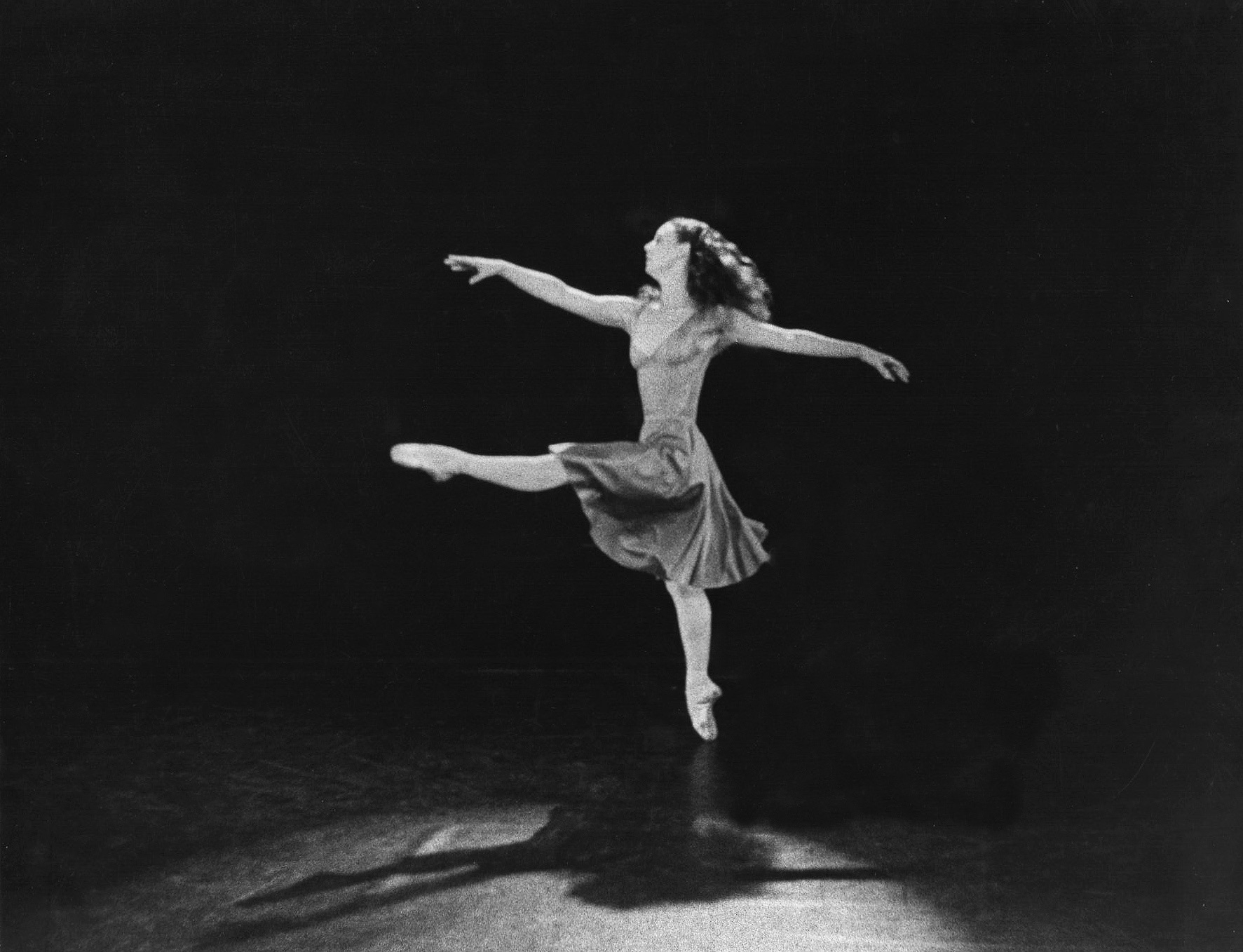
I guess something had happened for Valerie too. At the cast party, celebrated in a classic San Francisco Victorian, the two of us were observed on the darkened landing of the third floor making out like teenagers We’d climbed up there to be alone but were, of course, spotted by some nosey dancers.
“Ooo la la!!” they tittered.
After that, we never let go of each other. There were more shows to come; showcases of Valerie’s choreography at the Footwork studio, her solo concert at the Museum of Modern Art, the Event of the Year at the SF Opera House and so many others. She brought life back to the little flat at the end of Balboa Street. Every day Valerie got out of bed with a new idea. Whatever she wanted to do, we would do together, as both lovers and creative partners.
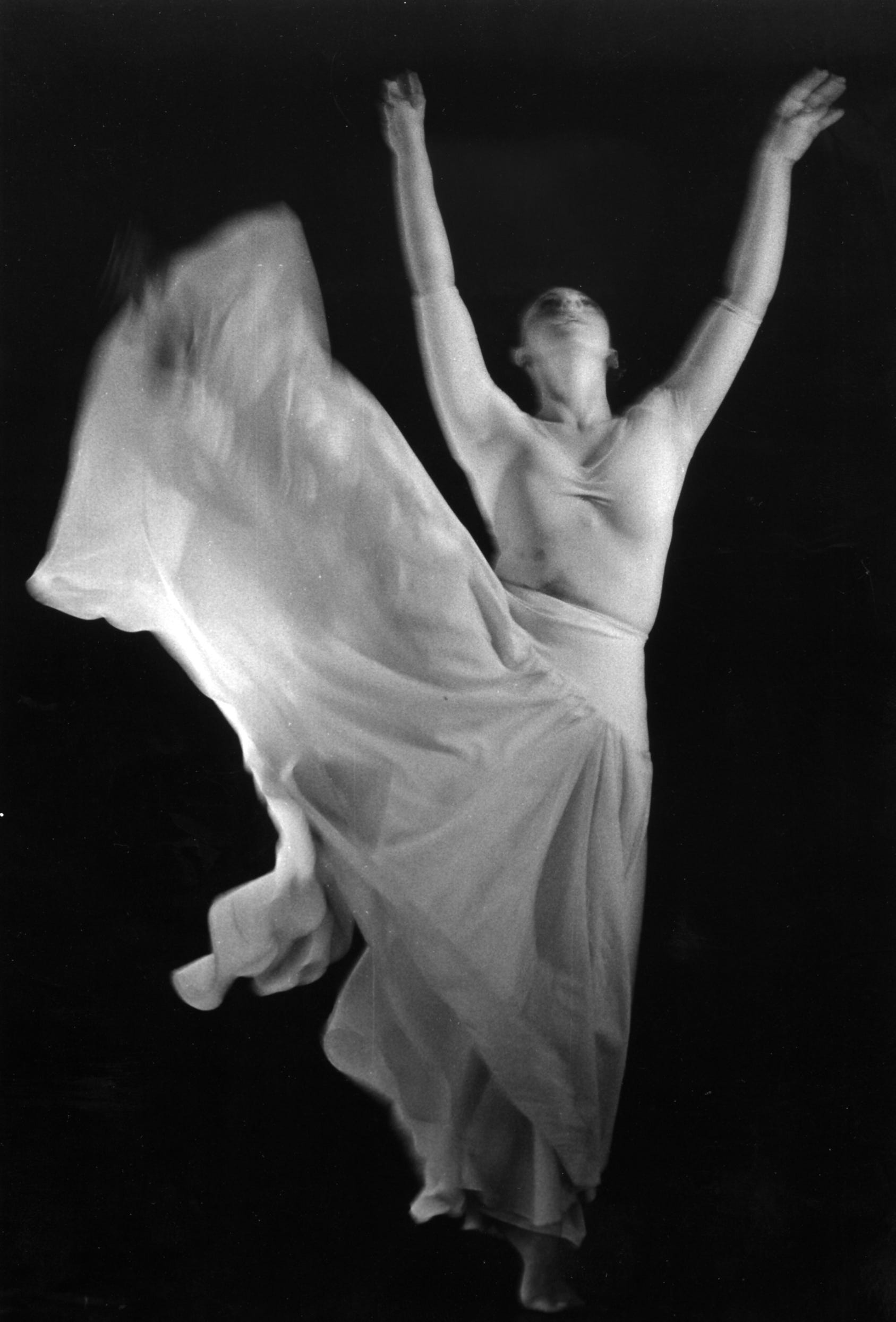
Valerie and I exchanged vows on May 20th, 1979. No wedding planners for us. We’d scraped together $1200 and knew a bit about producing a show. A beautiful three tiered cake was ordered from Lido, the Italian bakery in North Beach. The boxes with the cake slid alarmingly around in the back of our old Volvo descending the hill but arrived unscathed. My pal John Adams had arranged the use of the rooftop Penthouse at Henry Adam’s Showplace Square for the wedding venue. We were married, in a short civil ceremony, on a beautiful May day, surrounded by friends and our families (including our five month old son, John.) Cathy Kleinhentz played her guitar and sang for us the Willy Nelson favorite, “Hands on the wheel.”
Now my hand’s on the wheel, I’ve something that’s real, And I feel like I’m going home.
Someone had soaped “Just Married” on the car windows and tied a string of tin cans to our rear bumper. They rattled merrily behind us as we drove off to Calistoga for our honeymoon.
An altogether perfect day.
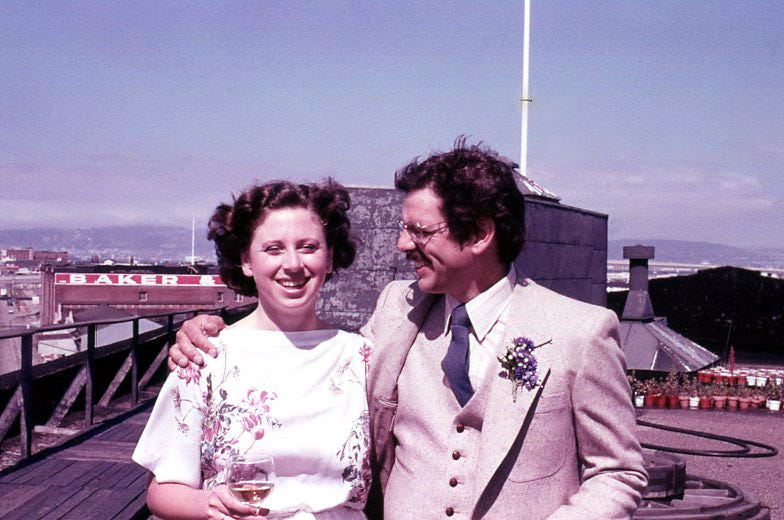
At the end of many a treasured bedtime story, we’re reassured to learn that the characters, despite the many challenges and trials faced on their journey, returned home, where “they lived happily ever after.”
And so it is has been for Nanny and Papa, the characters in this tale, a love story that brings What I Remember to it’s end.
If you’ve enjoyed What I Remember, you might also like Keep the Beat, A Jazz Life, Valerie’s free series about the life of her father, the Danish jazz drummer, Uffe Baadh.